
Accelerate Success with AI-Powered Test Automation – Smarter, Faster, Flawless
Start free trial
What is Defect Triage?
Defect triage is a process to prioritize the defects based on severity, risk, frequency of occurrence.
Though triaging can be implemented on any sized project, its benefits are more evident and tangible in large-sized projects. The list of defects could be proportionately big for large-sized projects. Alternatively, in a highly agile project that is spinning up, triage can help focus the team on the “right” defects. Either way, the triage process identifies defects that need immediate attention, while some may be deferred.
The triaging mechanism helps in preparing a process for testers and developers to fix as many as possible defects by prioritizing them based on parameters identified and fixed by the team.
Ideally, every test cycle should have regular triage sessions. Frequency can however depend on the number of defects identified with every test.
Why do You Need Defect Triaging?
Every time the defects are reported by the testing team, there are always certain if’s and but’s involved. The developer(s) need to understand “what” defect and “when” was that defect discovered, so they can work on the “why” part of it.
If defects are not recorded, mapped, and reported properly, then the time and efforts involved in identifying the root cause and rectifying them are much higher.
It is worthwhile to note that multiple defects are reported at a time and it is vital to identify which one to fix first based on business and functional needs.
Defect triaging helps the development team to fix the bugs based on their priority and severity. Since all the relevant information about the defect is readily available to them, it makes the fixing process easier and less time-consuming. If triaging is done correctly, then it significantly reduces the time taken between reporting the defect and its resolution.
Automate testing for your web application in THREE days. Start Free Trial NowThumb Rules of Triaging

- All reported defects have been reviewed
- All accepted defects have been prioritized
- All accepted defects have severity attached
- All rejected defects should have plausible explanations for the testing team
- Every defect has been assigned to an appropriate owner, individual or team
- Root cause analysis for every accepted defect has been done

How does Defect Triaging Work?
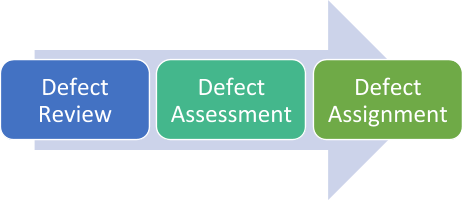
The defect triage process involves holding a session with a triage team, which includes stakeholders like Product Manager, Testing Manager/Lead, Development Manager/Lead, and Business Analysts. The goal of this team is to evaluate the defects, assess them, and attach priorities and severity level.
Priorities correspond to business perspective and severity corresponds to technicalities.
Many times, few defects may be considered trivial and rejected at this stage. Accepted defects are prioritized and assigned for resolution.
Factors to be considered while evaluating and prioritizing the defects are:
- The validity of the defect
- Time sensitivity for resolution
- The complexity involved in the resolution
- Business impact
This process is not just about attaching severity and priority to the defects. It also provides all relevant information required to track, replicate, and fix them.
The invalid defects and the basis of their rejection are also recorded for reference purposes.
Root cause analysis for every single defect is conducted. This analysis forms the basis for an improvement plan which ensures that chances of getting a similar defect are significantly reduced.
The Outcome of The Triaging Process
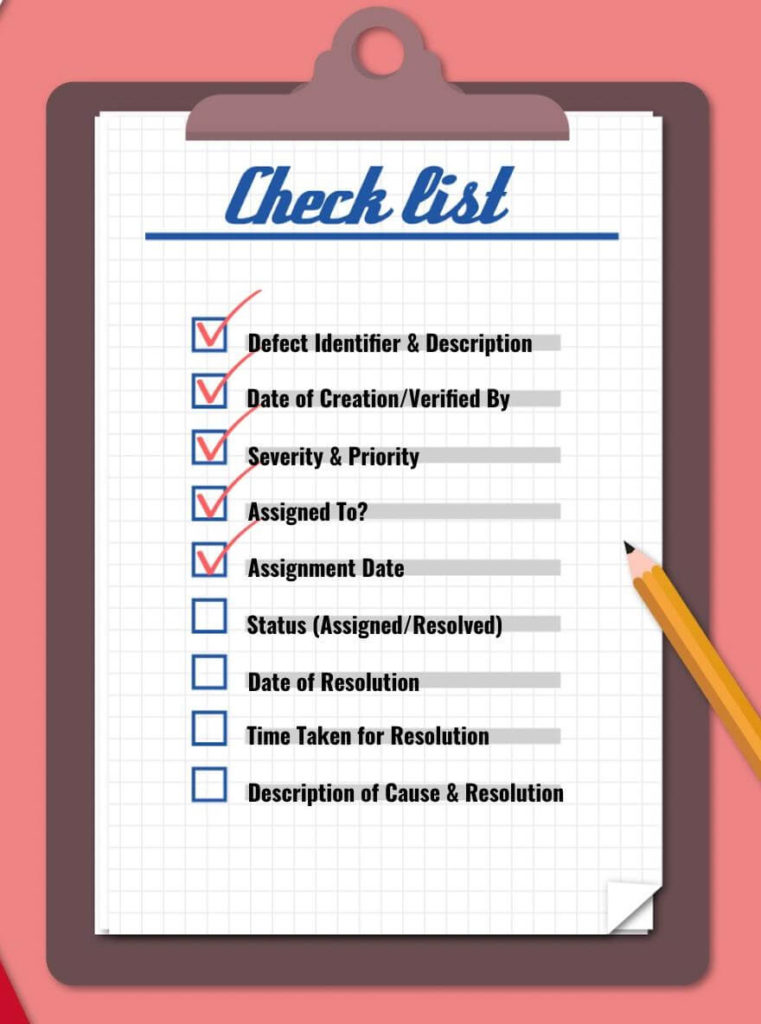
A report is generated based on the outcomes of the triaging process. A typical defect triage report will have the following information:
Challenges in Defect Triaging
Every process tends to hit roadblocks if not planned and executed properly. The following challenges are commonly seen while conducting defect triage.
- Lack of proper communication between the development team, testing team, product owner, and business stakeholders
- Lack of standard defect tracking system
- Improper assignment of priorities and severities
- Improper assignment of defect owner
How Webomates Makes Defect Triaging Easy?
Webomates has a comprehensive defect triage mechanism. We ensure that the stakeholders get the correct and right amount of information to resolve issues with optimal usage of resources and time.
We have defect triage meetings on a weekly basis, monthly basis, and often with every Sprint. In order to help our customers in optimizing time for review defects, our reports include all triaged defect data. The sample report of the Webomates triaging process is shown below.
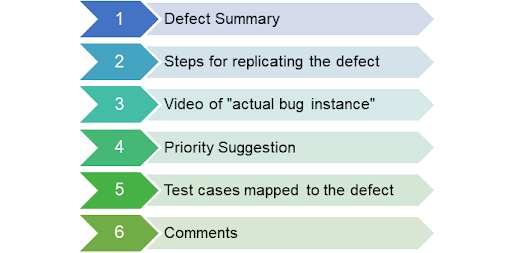
Defect Summary: It provides a short account of the defect discovered.
Replication Steps: This section contains detailed steps to help the developer to replicate the defect. It is important to have a detailed account here regarding all the involved parameters (input/output), configurations, etc in order to understand what conditions led to this defect.
In the replication steps, the tester provides console logs which further help the developer to quickly catch the issues.
Video: Our unique process presents a walkthrough video of an “actual instance of the bug” happening so that it is easier for the developer and other stakeholders to understand and relate and it removes the ifs and buts on how to reproduce a defect.
Priority Suggestion: Priorities are suggested and attached to the defect for easier categorization and defect management, however they can be changed based on stakeholders’ input.
Test Case Mapping: It is a good practice to map the defect with the test cases for analysis and tracking purposes. It is helpful when the defect has been fixed and the module is retested.
Comments: Additional comments, suggestions, and observations by the testing team are recorded here.
In addition to this, there are multiple categories in which defects can be classified during the review time, based on the analysis shared with stakeholders. These categories help in quickly identifying valid and invalid defects, hence focusing on valid Bugs to be prioritized and fixed. This ensures that there is no discrepancy or any confusion at a later stage.
| Category | Description |
| Valid New | A newly identified valid defect that needs to fix |
| Valid Known | A valid defect that has a previous ticket/story.Customers are aware of this defect. |
| Valid Won’t fix | Valid defect but need not be fixed since it does not impact business |
| Valid Improvement | Valid defect treated as improvement in functionality |
| Not Reproducible | A reported defect that was not reproduced during testing |
| More Information | More detailed information regarding the defect needs to be provided. |
| Invalid WAD | Not a defectThe feature is working as per the design and expectations |
| Feature Change | Defect occurred due to a feature change |
| Environment Issue | The defect occurs due to the configuration of the testing environment |
This process of defect categorization makes the task easier for the team responsible for fixing the defects.
Conclusion
Regular defect assessment is a basic requirement for maintaining the overall health of the project. It aids in managing and fixing defects throughout the testing cycle. If not executed in a timely fashion, the results could be one team chasing the other, ending up losing precious time. On a lighter note, check this video for what could happen.
At Webomates, we continuously work to evolve our platform and processes in order to provide guaranteed execution, which takes testing experience to an entirely different level, thus ensuring a higher degree of customer satisfaction.
Webomates offers regression testing as a service that is a combination of test cases based testing and exploratory testing. Test cases-based testing establishes a baseline and uses a multi-execution channel approach, to reach true pass / true fail, using AI Automation, automation, manual, and crowdsourced testing. Exploratory testing expands the scope of the test to take the quality to the next level. Service is guaranteed to do both and even covers updating test cases of modified features during execution in 24 hours.If you are interested in learning more about Webomates’ CQ service please click here and schedule a demo, or reach out to us at info@webomates.com
FAQs
The defect triage approach is the process of reviewing reported bugs to decide what needs attention first. You look at each defect, check if it’s valid, confirm how to reproduce it, assign the right priority, and identify who should fix it. This helps you avoid confusion, reduce unnecessary back-and-forth, and make sure that your effort goes into the issues that actually matter.
Webomates makes this much easier by giving you complete, ready-to-review defect details, clear summaries, exact reproduction steps with logs, and even short videos of the bug in action. Their reports also classify defects into helpful categories like valid, known, environment-related, or needs more info, so you can quickly understand what’s actionable. This saves you time in triage meetings and helps your developers resolve issues faster.
Defect triage is important because it helps your team stay focused and make clear decisions about what to fix first. Instead of getting stuck on vague or low-impact bugs, you spend your time on issues that truly affect users. It also improves communication between QA, developers, and product teams, so everyone understands the real impact of each defect. This leads to faster fixes, fewer delays, and more predictable releases.
Webomates helps you in the process by giving you clean and reliable test results every time a build runs. You don’t waste time digging through unnecessary failures or confusing signals because it highlights only the issues that genuinely need your attention. This makes your triage discussions easier, quicker, and far more productive.
Common platforms like Jira, Bugzilla, and Azure DevOps, along with test management tools such as TestRail, support triage by letting you track issues, attach evidence, assign owners, and manage priorities in one place. They help you keep defects visible and prevent anything from slipping through.
Webomates supports your triage process by giving you clarity before you even start reviewing defects. Since the test outcomes are already filtered and consistent, you step into triage with a clear idea of what actually went wrong. This removes a lot of guesswork and helps your team focus on meaningful fixes instead of debating which failures deserve attention.
Some common challenges in defect triage you may face include bug reports that don’t give enough detail, missing logs or screenshots, or issues you can’t reproduce. There may also be times when you and your team might not agree on how serious a defect is or how quickly it should be fixed.
Another challenge is dealing with duplicate bugs or environment-related issues, which can slow things down. All these problems make it harder for you to decide what to focus on first unless you follow a clear and consistent triage process.
Read Next –
Requirements traceability matrix
Test Automation vs Manual Testing
Exploratory testing in software testing
Tracing the origin of defects during software testing
How Intelligent Automation optimizes your Testing?
Using AI to Create Model Based Testing

Aseem, Founder & CEO of Webomates, created Webomates CQ, an AI-driven testing platform that cuts testing time by 10x with AiGenerate , and accelerates test maintenance by 10x using AiHealing, with guaranteed 24-hour execution. A multi-technical Emmy award winner with AI automation patents, he writes about AI-first testing and faster, simpler software delivery.
Tags: Defect Triage, Software Triaging
Leave a Reply